A Designer’s Guide to Choosing Luxury Linen for Hotel-Quality Sleep Spaces
A comprehensive, editor’s tour through premium linens, weaving craft, and sustainable sourcing that elevates bedrooms into hotel-caliber sanctuaries.
In the quiet hours between day and night, linen does more than cover a bed. It frames the ritual of sleep itself. The luxury of a hotel-like sleep space is less about ostentation and more about a deliberate conversation between fabric, weave, and care. This guide strolls through the essentials of luxury linen—fiber, weave, finishing—and then ventures into brand comparisons, practical choices for high-traffic rooms, and the enduring question of sustainability. Along the way, we’ll meet three pivotal voices from different eras who helped shape our understanding of linen: an 18th-century textile innovator, a mid-20th-century design icon, and a contemporary connoisseur of sustainable fabrics.
1) The bedrock of luxury linen: fiber, weave, and finish
To understand luxury linen, we begin with fiber. Linen comes from the flax plant, and its fiber properties—coolness, breathability, moisture-wicking, and a natural, matte hand—define its premium status. The length of the flax fiber (long-staple flax) and how it’s spun into yarns influence the fabric’s durability and feel. A well-made linen sheet, duvet cover, or pillowcase invites a calm, almost clinical temperature regulation: it breathes in summer, warms modestly in winter, and refuses to cling.
Weave is the next language. Percale offers a crisp, matte finish with a cooler hand, while sateen provides a smoother, more lustrous surface with a silk-like drape. For hotel spaces that endure high turnover and need easy laundering, a plain or simple weave in linen or cotton-linen blends can deliver resilience without sacrificing tactility. Finishes—from garment-dyed froissé to pick-stitch cuffs on linen sheets—add subtle visual and tactile depth without overpowering the room’s calm aesthetic.
Finish matters: care labels, pre-washing, and fabric softeners (especially plant-based options) shape the linen’s softness and longevity. Organic certifications, like GOTS, assure a chain of custody from field to finish, aligning luxury with responsibility.
2) Brand-focused deep dive: Libeco, Signoria Firenze, and Society Limonta
Three brands recur in the conversations about hotel-grade linen: Libeco (Belgian linen legend), Signoria Firenze (Italian tradition with a modern lean), and Society Limonta (Italy, design-forward and technically rigorous). Each brand carries a particular DNA that can inform decisions whether you are outfitting a boutique hotel or refining a home’s guest suites.
Libeco stands as an emblem of Belgian linen’s discipline and lineage. Mastery of flax along with disciplined loom technology yields fabrics with a natural, airy lift. The feel is often restrained and cool, with a fidelity to the fiber’s grain. For hospitality spaces, Libeco’s linens frequently translate to a quiet, enduring elegance—an “invisible luxury” that guests experience as comfort rather than conspicuous opulence.
Signoria Firenze embodies Italian craftsmanship with a modern twist. Its sheets and duvet covers are noted for weight, color fastness, and a balance between crisp surfaces and softened drape. The Italian approach to finishing—piece-dyed percale, careful hemming, and refined accents like double hemstitching—creates linens that remain visually precise after repeated washing, which matters in bustling hotel environments as well as in homes seeking a refined, minimal look.
Society Limonta offers a robust palette of textures and finishes, from extra-fine cottons to linen froissé and embroidered percale. Their range demonstrates how texture—embroidery, froissé surfaces, and garment-dyed hues—can contribute to tactility and visual depth without resorting to loud patterns. For hotel spaces, this translates into linens that read as luxurious yet effortless, durable yet soft to the touch.
3) A decision framework for hotel-quality sleep spaces
Choosing linens for high-traffic bedrooms requires a framework that respects both performance and aesthetics. Consider:
- Sleep environment needs: temperature regulation, moisture management, allergen considerations.
- Durability and laundering: fabrics and finishes that hold color and texture after many cycles.
- Aesthetic coherence: how textures and finishes harmonize with the room’s palette and lighting.
- Ethical sourcing: certifications such as GOTS for linen and other responsible supply chains.
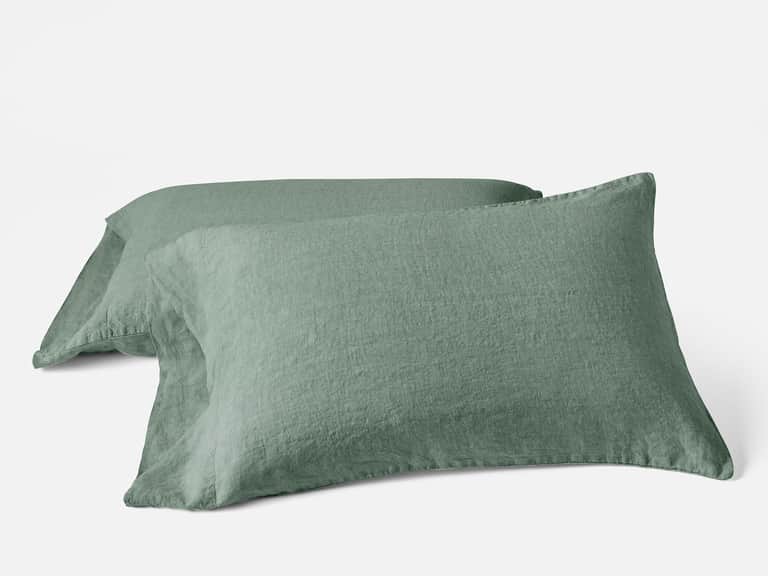
With these criteria in mind, a practical starting point is a core trio: 100% organic linen sheet sets for year-round comfort; crisp percale or a light-sateen duvet cover for a hotel-like top surface; and tactfully finished pillowcases with cuff or flange details to complete the refined bed ensemble. The Organic Relaxed Linen Sheet Set, a 100% organic flax linen product woven in Portugal under strict certification, exemplifies a durable, breathable choice with a refined, lived-in softness that deepens with use.
4) The Organic Relaxed Linen Sheet Set in practice
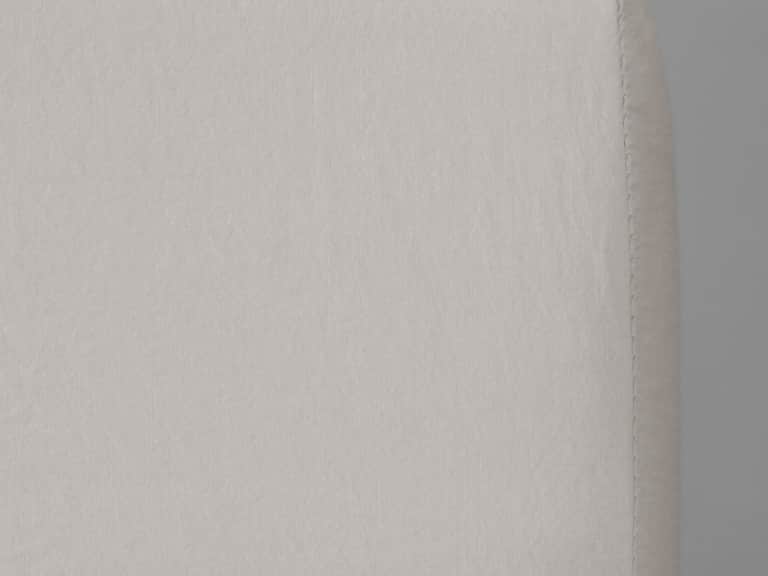
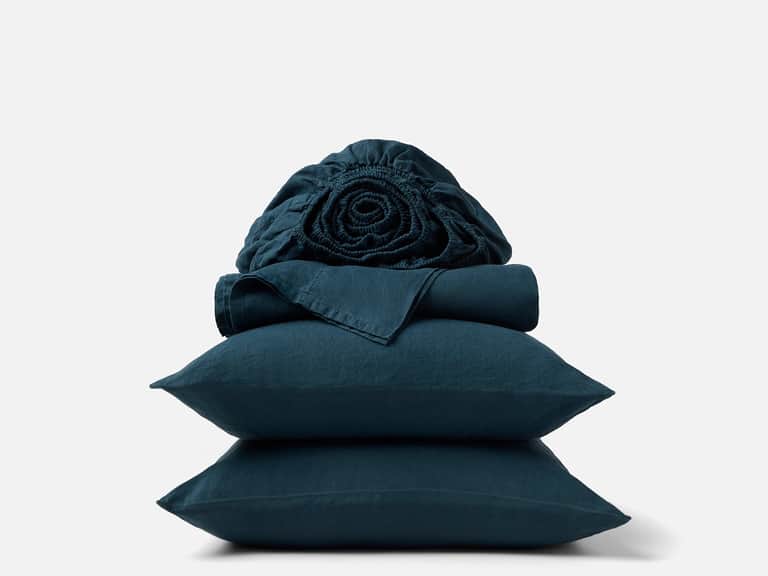
Consider the Organic Relaxed Linen Sheet Set, a standout example from the Coyuchi line carried through finelinens.co.uk’s product ecosystem. This set embodies several luxury-practice virtues: GOTS-certified organic flax, a 15-inch deep-pocket fitted sheet, pick-stitched cuffs for subtle, quiet detailing, and a plant-based softener finish that respects the linen’s natural texture. It arrives as a set including flat and fitted sheets and pillowcases—essential for a cohesive bed system. The deep-pocket fitted sheet ensures a secure fit on deeper mattresses—an important practical detail in hotel rooms where guests vary widely in bed depth.
In this space, luxury is defined not by ornament but by an unforced comfort: a fabric that remains breathable, that softens with time, and that ages gracefully. The Organic Relaxed Linen Sheet Set, pictured here in Midnight Indigo, showcases a calming colorway that harmonizes with both stark and soft palettes. Its pick-stitched cuffs offer a tailored accent without shouting, mirroring the restraint of a hotel’s sleep space where the ambiance must invite rest rather than fanfare.
Product: Organic Relaxed Linen Sheet Set
Coyuchi (brand in the wider ecosystem), 598.00 USD list price.
Note: Availability and pricing may vary by region and season. Images reflect colorways and packaging as shown in product listings.
5) A practical guide to selecting sheets and duvet covers for high-traffic rooms
When guest turnover or family use pushes linens into daily life, the goal shifts toward resilience without sacrificing comfort. Here is a concise checklist you can apply:
- Fabric choice: favor linen for its breathability and durability; cotton percale and high-thread-count sateen for a sleek surface; blends can offer a middle ground.
- Weave and weight: in hotel settings, a moderate weight that holds shape after washing is more reliable than ultra-light textiles that crease or wear quickly.
- Fitted-sheet depth: choose a 15-inch pocket to accommodate thicker mattresses and toppers common in hotels.
- Care regime: prompt washing, avoiding harsh chemicals, and choosing plant-based softeners to preserve fibers over time.
- Color strategy: neutrals and soft naturals (e.g., ivory, linen, midnight tones) provide a calm, hotel-like backdrop that’s easy to refresh with accents.
In practice, assemble a core set of items: a linen sheet set (organic if possible), a percale duvet cover with a clean, modern hemstitch, and a pillowcase style that echoes the room’s aesthetic—two pillowcases per standard pair and two additional king options for a more layered bed. The Downton Company Layla Linen Sheet Sets offer an ideal starting point for a complete, hotel-like ensemble: stone-washed linen with loose weave that supports breathability and softening with use, paired with matching duvet sets that keep a room cohesive.
6) Sustainability and ethics in luxury textiles
Today’s luxury is increasingly anchored in responsible sourcing and transparent production. The GOTS certification on organic linen signals that the fabric’s journey—from flax to finished sheet—meets strict environmental and social criteria. The hotel design world, long confident in splendor, is shifting toward a slower, more mindful consumption pattern. This means investing in linens that endure, repairing rather than discarding, and prioritizing fabrics that degrade gracefully when the time comes for replacement.
In the brands discussed, sustainability is not merely a marketing footnote. Libeco’s lineage and Signoria Firenze’s Italian operations illustrate how longstanding manufacturing legacies can coexist with modern eco-certifications. Society Limonta’s technical approach to fabric finishes demonstrates that advanced finishes and careful aging can extend a linen’s life while preserving its aesthetics.
7) Three time-personas: voices from different eras
To illuminate the evolution of linen aesthetics and practice, consider three archetypal voices across time:
- 17th–18th century: Francois-Marie Arouet (Voltaire) and the textiles around him — While not a linen fabric designer per se, Voltaire’s era loved linen’s crisp silhouette in household decor. The emphasis on linen’s hygienic and durable properties foreshadowed modern design sensibilities that value restraint, proportion, and longevity. This lineage underlines the virtue of a fabric that remains unflashy yet endlessly reliable.
- Mid-20th century: Florence Knoll and the modernist thread — Knoll’s design philosophy privileged clean lines, functional beauty, and materials that endure. In textiles, the logic of form meets function—crisp percale, smooth sateen, and durable linen—aligns with hotel aesthetics that aim to be calm, exacting, and human-friendly in equal measure.
- Today: a curator of sustainable luxury — Contemporary voices emphasize organic sourcing, certifications like GOTS, and transparent supply chains. The modern designer’s work is both artful and accountable: a linen sheet set that feels sumptuous, performs well in laundering cycles, and remains kind to the planet.
8) Conclusion: hotel-quality sleep spaces as a discipline
Luxury linen is not a single product; it is a discipline—a philosophy of materials, finishes, and care that elevates sleep to a ritual of calm and renewal. The brands and fibers discussed here offer a vocabulary for designing sleep spaces that feel both refined and unshowy: fabrics that breathe, weaves that hold their shape, and finishes that soften with time. This is where the workshop of the hotel and the living room meet: a shared language of comfort, durability, and quiet elegance.
As you curate a room’s bedding, let the linen tell its story—of flax fields and quiet looms, of plant-based softeners that respect the fiber’s integrity, of certifications that assure responsible choices. In the end, a hotel-quality sleep space is less about grand gestures and more about a daily, almost ceremonial respect for the fabric that cradles our rest.
Images and product references
Selected product example from the range:
Organic Relaxed Linen Sheet Set
GOTS-certified 100% organic French flax linen, woven in Portugal, with pick-stitch cuffs and a 15-inch deep-pocket fitted sheet.
Brand: Coyuchi • Price: $598.00

Closing note
For finelinens.co.uk, the obligation is to guide with clarity and candor: to illuminate the tactile and ethical trails that connect luxury with responsibility. The three brands—Libeco, Signoria Firenze, and Society Limonta—offer not merely fabrics but a vocabulary for rooms that welcome and endure. The Organic Relaxed Linen Sheet Set stands as a practical emblem of this philosophy—softening with time, maintaining its character, and aligning with a modern, hotel-quality sleep space that any reader can curate at home.